
Building Bridges: The Universal Language of Volunteering
Updated: Jan 14

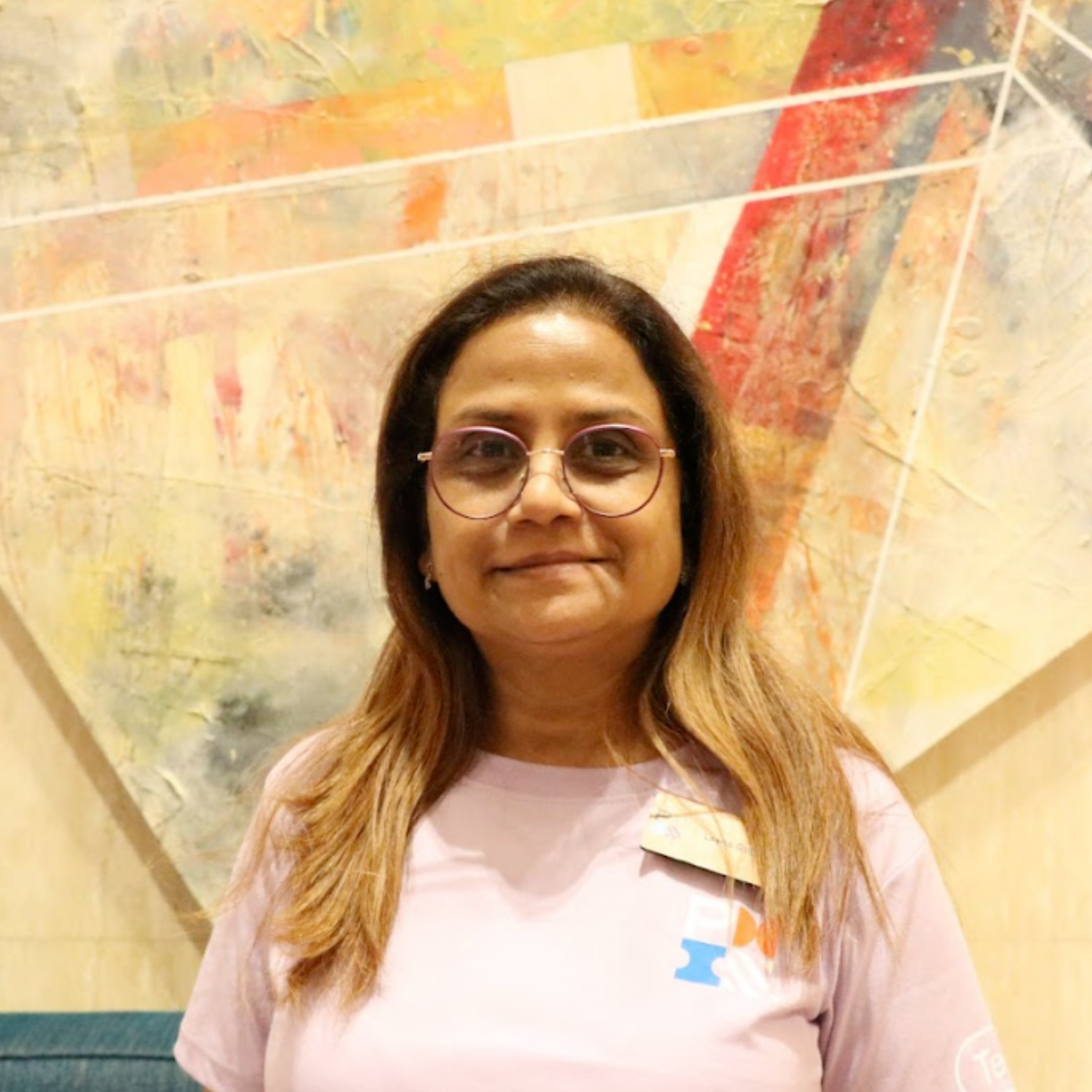
Attending a Project Management Institute (PMI) event like GSS APAC Manila and others might mean encountering Leena Gupte, who leads the onsite event-support volunteers with purpose and warmth. Her focus is on energizing seasoned volunteers while welcoming newcomers, fostering confidence and connection. As PMI looks ahead to 2026, Leena shares what it truly takes to lead and support volunteers, reflecting on the challenges, the joy, and why human connection remains at the heart of meaningful volunteer engagement.
Get to know Leena
During my 17-year journey with PMI, I’ve had the privilege of watching the volunteer community up close—and it never fails to leave me in awe. The way our volunteers seamlessly juggle their personal, professional, and service commitments, all while striving to give nothing short of their best, is truly inspiring.
The Role
In my role to support PMI’s volunteers, I contribute to several key initiatives, including managing the Chapter Leader Orientation Program and the Leadership Institute Webinar Program. I also lead the onsite volunteer groups that serve as an extension of PMI at various Global and Regional PMI events—helping bring our mission to life on the ground.
Navigating Challenges
With a strong team in place, challenges are inevitable—but I firmly believe that the key to overcoming them is preparation and unity. Building a culture of trust and camaraderie within the team is essential, and it’s something I’ve witnessed firsthand with our onsite volunteers. I've seen how volunteers step up for each other, easing the pressure and filling gaps when needed, all with a shared commitment to the cause.

After putting in the effort to recruit and onboard volunteers, it can be disheartening when someone decides to step back just before their assignment begins.
As project managers know, risk mitigation is critical. To mitigate the risk of volunteer drop-offs, it’s crucial to anticipate potential gaps and build in buffers during the planning phase.
This proactive approach has helped me navigate situations where volunteer exits could otherwise cause disruptions.
However, even with thorough planning and risk mitigation strategies in place, the real challenge often arises once the onsite volunteer assignments go live. Despite our best preparations, unexpected situations can still emerge. It’s truly commendable to watch our volunteers navigate these challenges with resilience, adapting on the fly and coming out on top.
Unlocking Potential
Every volunteer brings a unique set of talents to the table, and it's essential to recognize and harness those strengths. Identifying what drives each individual and respecting their perspectives ensures that roles are aligned with what they do best. I’ve learned that empowering volunteers to take ownership of their tasks, while providing support when needed, goes a long way in boosting morale. When volunteers feel trusted and valued, they are more likely to give their best to the cause
Together We Can! Volunteers of PMI Global Events Together We Can! Volunteers of PMI Global Events
Leadership Philosophy: Expectations & Empathy
When expectations are clearly set and managed from the start, it creates a smoother and more collaborative experience. However, leadership is more than just logistics. While professionalism is key, taking the time to understand a bit about the personal side of each volunteer can go a long way. It’s a small gesture that often makes a big impact, as volunteers truly appreciate the genuine interest in their well-being.
The Human Connection
I've learned that communication is paramount. With volunteers spread across the globe, adapting our communication style to suit diverse cultures and regions is essential. Being mindful of regional preferences allows us to maintain clear, effective connections and ensure everyone feels included and understood.
I truly believe it's crucial to foster an environment where the team understands that I’m not just working for a paycheck—I’m here to give back, make an impact, and support in that mission. While professionalism is key, taking the time to understand a bit about the personal side of each volunteer creates a smoother and more collaborative experience.
Over the years, I’ve developed a deep sense of gratitude for the incredible volunteers I’ve had the privilege to work with.
I’ve come to realize that while there are geographic and cultural differences that shape us, the core human instinct is universal—to give back and make a positive impact on the community.
3 Keys to Volunteer Leadership
1. Set Clear Expectations: Clarity creates confidence.
2. Be Genuine: Authenticity builds trust.
3. Develop Rapport: Make every volunteer feel comfortable and valued.

About the Author
Leena Gupte serves as a Leadership Institute Program Specialist at PMI, where she drives the strategy, design, and delivery of high-impact volunteer programs. She plays a pivotal role in shaping PMI’s distance learning and training initiatives, ensuring volunteers across the globe have access to high-quality development experiences.
Known for her commitment to excellence, Leena brings a strong background in program management, learning design, volunteer development, and community advancement. She is recognized for her ability to build meaningful experiences that inspire, connect, and strengthen the global volunteer community.

Comments